
Elevating Your Dining Experience: The Journey of Kosher Steak
- shmuel07
- Mar 11
- 5 min read

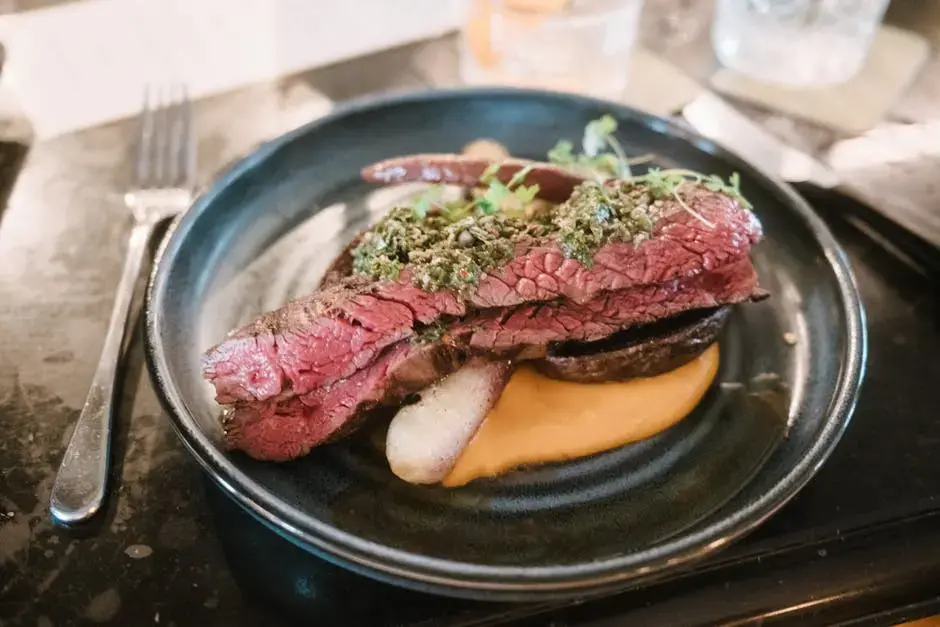
Embark on a culinary journey that takes you through the unique world of kosher steak. Discover the traditions, processes, and flavors that elevate this dining experience. Whether you're a seasoned gourmand or a curious newcomer, this guide offers insight into what makes kosher steak exceptional.
Understanding Kosher: More Than a Dietary Choice
Before delving into the succulent world of kosher steak, it's crucial to understand what it means for food to be kosher. Rooted in Jewish dietary laws, kosher signifies food that adheres to specific religious guidelines, offering a unique blend of cultural tradition and dietary practice.
The practice of kosher dietary laws, known as kashrut, extends beyond simple restrictions; it's an intricate system that affects the entire process of food preparation and consumption. This system ensures that the food consumed maintains a connection to spiritual beliefs and practices, thereby creating an eating experience that is both meaningful and mindful. By following these guidelines, kosher diners partake in a meal that is steeped in history and purpose, transforming what might be an ordinary meal into a reflection of deeply held values.
Eating kosher also involves understanding and respecting the distinctions in food categories, specifically regarding the separation of meat and dairy. Foods are classified into three categories: meat (fleishig), dairy (milchig), and neutral (pareve). This classification means that a kosher steak cannot be served with dairy-based sauces or sides, a rule that calls for creativity and awareness in kosher kitchens. The emphasis on separate preparation areas and utensils further underscores the meticulous care that goes into maintaining the sanctity and purity of kosher foods.
The Art of Kosher Slaughter: A Humane Practice
The journey of kosher steak begins with a careful and humane slaughter process known as shechita. Performed by a trained specialist, the process ensures that the animal is treated with respect and care, setting the foundation for the entire kosher dining experience.
Shechita, the kosher method of slaughter, is not simply about adhering to tradition; it is a practice deeply rooted in values of compassion and ethical treatment of animals. The shochet, the individual responsible for carrying out this practice, must undergo rigorous training and adhere to a strict code of conduct. This ensures that the process is not only compliant with religious laws but also minimizes the suffering of the animal. Such attention to ethical detail is a cornerstone of kosher practices, reflecting a broader commitment to doing what's right—not just what's required.
The significance of kosher slaughter extends beyond ethical considerations to impact the very taste and quality of the meat. Because the blood must be fully drained from the animal as part of the koshering process, the resultant meat often boasts a cleaner and more pronounced beef flavor. This meticulous approach to preparation ensures that diners enjoy not just a steak but an experience that respects both culinary and cultural traditions.
Flavor Profiles: What Sets Kosher Steak Apart
Kosher steak is renowned for its distinct flavors, which stem from unique preparation methods. From the absence of blood due to precise drainage techniques to specific cuts exclusive to kosher beef, each aspect contributes to a taste that's both rich and unique.
The kosher preparation process profoundly affects the flavor profile of the meat, creating a distinct culinary experience. With the removal of blood, which many believe can carry impurities, the meat's natural flavors are allowed to shine. This results in a purer beef taste that is often described as bold yet clean, offering a unique dining sensation. Furthermore, kosher slaughter techniques can yield more tender meat, enhancing the overall texture and satisfaction of the steak.
In the quest to maintain authenticity, kosher beef often involves specific cuts that are not commonly found in non-kosher preparations. These cuts are carefully curated to adhere to kosher dietary restrictions while accentuating the meat's innate qualities. The combination of these distinctive cuts with the unique preparation process results in a product that stands out in the culinary world. Diners encountering kosher steak for the first time are often surprised by the robust flavors and delightful textures that characterize each bite.
Cooking Techniques: Elevating Your Kosher Steak
Cooking kosher steak is an art that involves both tradition and innovation. From grilling to pan-searing, each method impacts the texture and flavor, inviting cooks and diners to explore new ways of savoring familiar tastes.
Kosher steak's distinctive attributes call for equally innovative cooking techniques that honor tradition while embracing modern culinary practices. Whether you prefer your steak grilled to perfection, pan-seared to create a crispy exterior, or even slow-cooked to maximize tenderness, there's a method to suit your taste. The absence of milk-based marinades and sauces challenges chefs to be creative, often resulting in the exploration of an array of spices, herbs, and natural oils to enhance the meat's intrinsic flavors.
One effective approach is the sous vide cooking technique, which involves vacuum-sealing the steak and cooking it in a precisely controlled water bath. This method not only ensures that the meat retains its natural juices but also allows precise control over the level of doneness, which is crucial for appreciating the distinct flavors of kosher steak. After sous vide, a quick sear adds the perfect finishing touch, resulting in a beautifully caramelized exterior while maintaining an exquisitely tender interior. By embracing innovative methods like these, kosher chefs elevate the dining experience, ensuring that each steak served is both memorable and satisfying.
Pairing Kosher Steak: Enhancing the Dining Experience
Pairing your kosher steak with the right accompaniments can amplify the dining experience. Consider kosher wines, side dishes, and seasonings that not only align with dietary laws but also enhance the flavors of the steak.
Selecting the perfect wine to accompany your kosher steak can transform your meal into a full gastronomic event. Many high-quality kosher wines, ranging from robust reds to crisp whites, are perfect partners for steak. A full-bodied red can bring out the steak's hearty flavors, while a lighter white might offer a refreshing counterbalance. Beyond wine, consider traditional kosher accompaniments like roasted root vegetables or a fragrant herb-infused olive oil dip, which can beautifully round out the richness of the steak.
When crafting a meal around kosher steak, attention to seasoning is key. Spices such as smoked paprika, garlic, and fresh rosemary can infuse the steak with layers of flavor, while still allowing its natural taste to come through. Additionally, side dishes such as a simple green salad with a tangy vinaigrette, or roasted potatoes seasoned with kosher salt, can perfectly complement the main course. Experimenting with different pairings can uncover new taste experiences, ensuring that your kosher steak dinner is as delightful to your taste buds as it is to your soul.
Embrace the Unique World of Kosher Steak
Kosher steak is more than just a meal; it's an experience deeply rooted in tradition, culture, and culinary artistry. From its time-honored processes to its unique flavor profiles, kosher steak offers diners a chance to savor something truly special. As you explore the world of kosher dining, may you find new favorites and appreciate the rich heritage that graces your plate. For an authentic experience, visit our homepage.


Comments